UK's Transaction Webs: Mapping Sequential Access Paths Between Accumulator Features and Interactive Tables via Varied Banking Channels
Elena Griffin · May 23, 2026
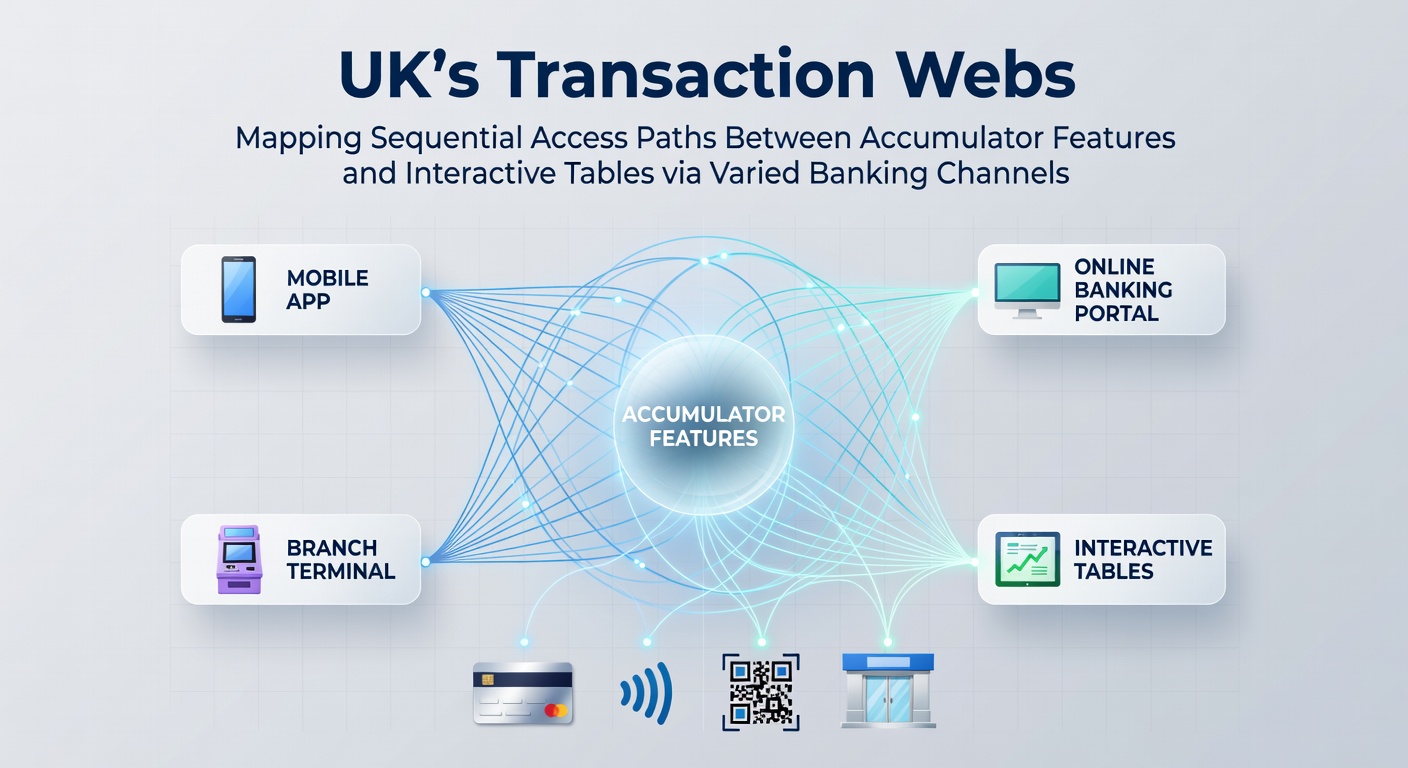
UK's Transaction Webs: Mapping Sequential Access Paths Between Accumulator Features and Interactive Tables via Varied Banking Channels
UK online gaming platforms have developed intricate transaction webs that connect accumulator features in digital slot environments with interactive table formats through multiple banking channels, and researchers track these sequences to understand player movement patterns. Accumulator features allow users to build progressive bonuses or reward pools during reel sessions while banking integrations determine how funds transfer without interruption to live dealer tables. Payment providers including debit cards, e-wallets, and instant bank transfers create distinct access routes that operators map for efficiency and compliance.
Core Components of Accumulator Features
Accumulator systems collect incremental rewards based on stake levels and game outcomes, after which players often seek transitions to table games where those accumulated values can influence betting limits or bonus eligibility. Studies from the Australian Gambling Research Centre show that these features rely on real-time balance updates that banking APIs must support across channels. Sequential paths typically begin with an initial deposit that funds the accumulator meter, then proceed through verification steps before unlocking table access. Data indicates that e-wallet routes complete these sequences faster than traditional card methods because fewer intermediary approvals occur.
Interactive Tables and Channel Integration
Interactive tables operate with live streams and real-time decision interfaces that require immediate fund availability once players exit accumulator modes. Banking channels vary in speed and traceability, so operators design mapping protocols that route transactions according to channel type. For instance, instant bank transfers enable direct ledger updates that keep table entry seamless, whereas some card networks introduce brief holds that delay progression. Observers note that platforms adjust these paths dynamically based on transaction volume and regulatory reporting needs in Britain.
Sequential Path Mapping Techniques
Analysts employ graph-based models to chart every step from accumulator activation to table entry, recording timestamps, channel identifiers, and balance adjustments along each route. These models reveal that multi-channel users frequently switch mid-sequence, moving from a mobile e-wallet deposit to a desktop bank transfer for larger table stakes. Evidence from industry reports compiled by the National Council on Problem Gambling highlights how such switches affect session continuity and risk controls. Platforms refine their mapping algorithms to predict common switch points and pre-authorize secondary channels, reducing friction during transitions.
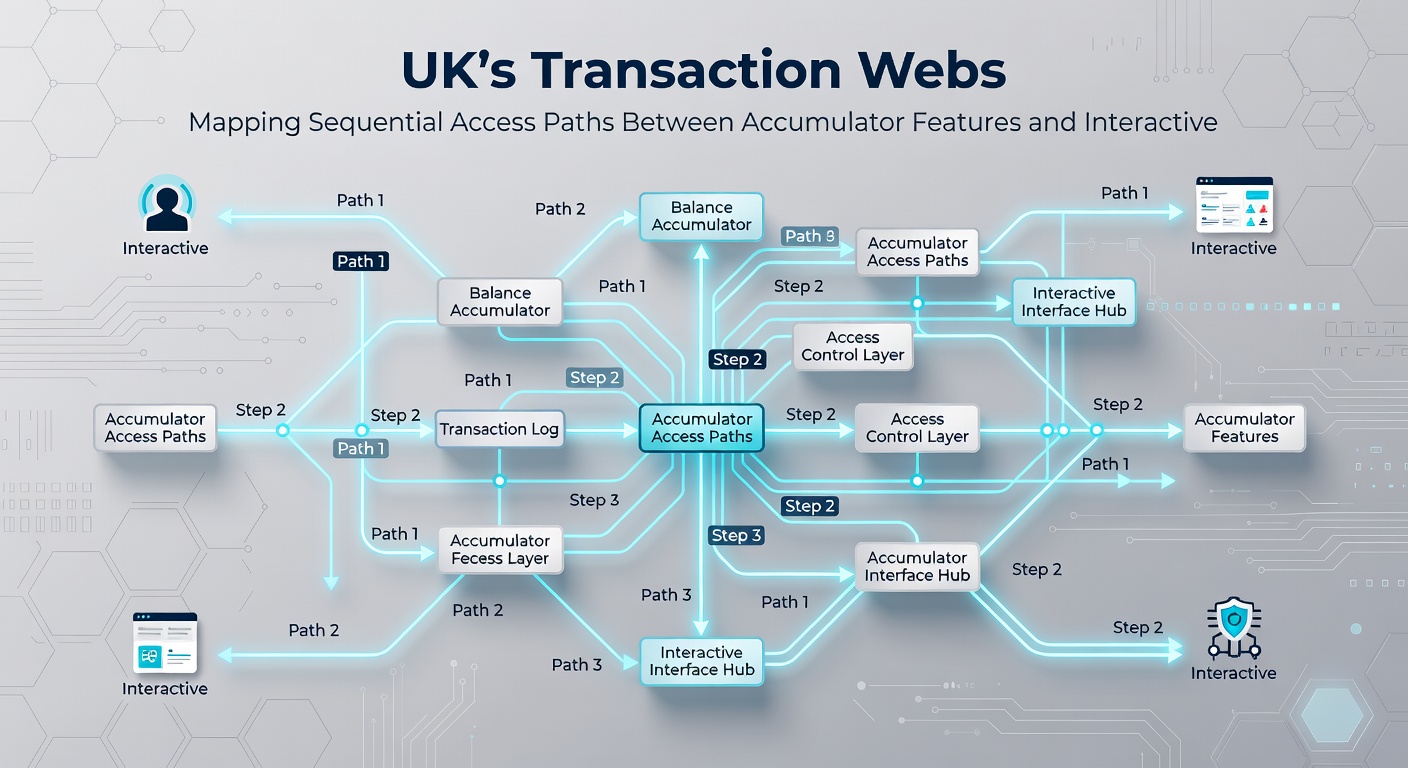
Banking Channel Variations and Their Effects
Debit card pathways offer widespread acceptance yet often involve additional authentication layers that lengthen the sequence between features. E-wallet services compress the timeline by storing verified credentials that bypass repeated checks, allowing quicker movement from accumulated rewards to table play. Bank transfer options provide higher limits suited to table environments while introducing settlement delays that some users plan around by initiating transfers during accumulator phases. In May 2026 several major platforms are scheduled to roll out unified APIs that standardize reporting across these channels, according to updates shared by European gaming associations.
Regulatory and Technical Considerations
Operators must ensure every mapped path complies with anti-money laundering checks that trigger at specific transaction thresholds regardless of channel. Technical teams integrate monitoring tools that flag unusual sequences, such as rapid switches between accumulator funding and high-stakes table entry. These safeguards rely on data shared through secure banking gateways that maintain audit trails for each step. Research indicates that streamlined path mapping improves both operational efficiency and adherence to evolving financial regulations across the sector.
Conclusion
Transaction webs in the UK continue to evolve as operators refine sequential mappings between accumulator features and interactive tables using diverse banking channels. Accurate tracking supports smoother player experiences while meeting compliance standards, and ongoing technical developments scheduled for 2026 promise further integration across payment types.