Transaction Pathways: Bridging Live Dealer Tables with Slot Progressions in UK Digital Gaming
Alex Zimmermann · Jul 28, 2026
Transaction Pathways: Bridging Live Dealer Tables with Slot Progressions in UK Digital Gaming
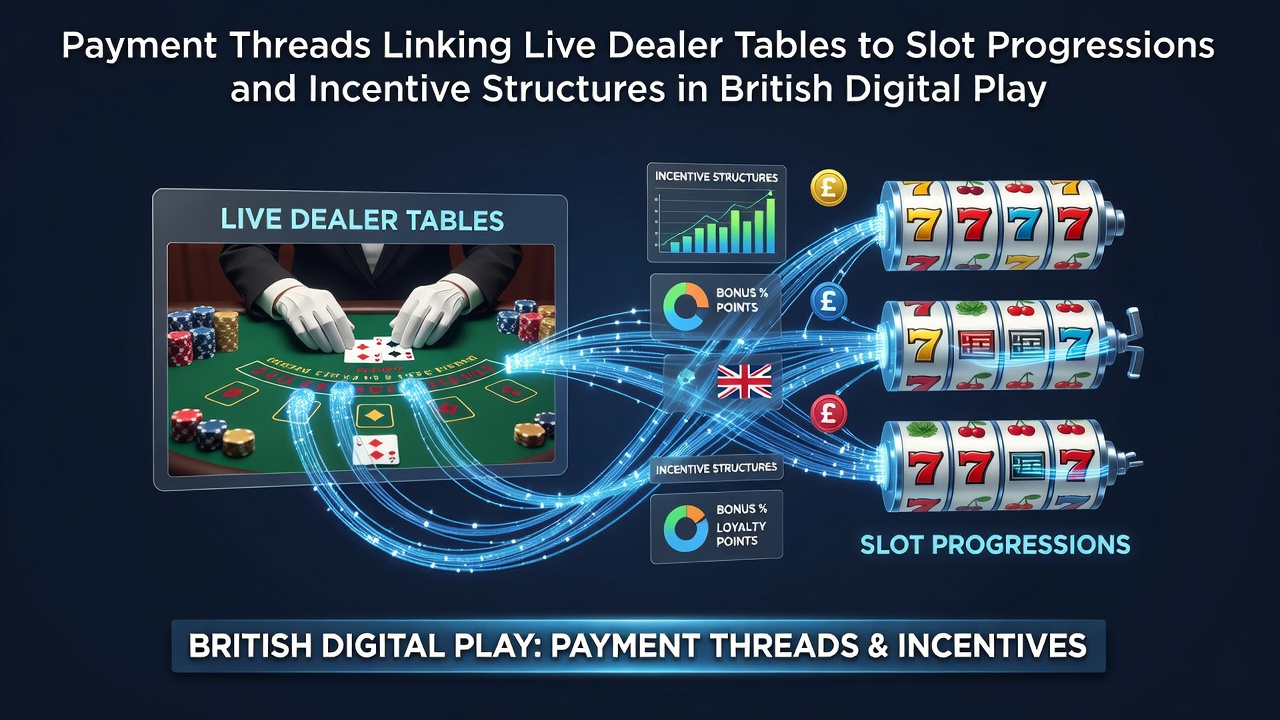
Data indicates that payment systems in British digital gaming platforms often function as connective threads between live dealer tables and slot progressions, allowing seamless movement of funds that support incentive structures across both formats. Observers note how instant deposit options and withdrawal processes enable players to shift balances from one game type to another without interruption, and this integration has grown more pronounced since early 2025 when several operators expanded their hybrid offerings.
Core Mechanics of Linked Payment Systems
Payment processors handle transactions that tie live dealer sessions directly to slot account progressions, where a single deposit can activate bonuses applicable to both table games and reel-based machines. Researchers have documented how e-wallet services and bank transfer methods create unified ledgers, meaning winnings from live blackjack tables feed immediately into slot balance trackers that track progressive contributions. According to industry figures from the European Gaming and Betting Association, these unified systems processed over 40 percent of all cross-format transfers in the UK market during the first half of 2026.
Those who track transaction patterns find that incentive structures frequently rely on this linkage, as deposit matches or cashback offers apply across live dealer tables and slot progressions when funded through the same payment channel. What's interesting is how loyalty points earned at a roulette table can convert into free spin allocations on linked slots, all managed through the same payment thread that records every movement in real time. And the process avoids separate logins or additional verification steps once the initial payment setup completes.
Role of Incentive Structures in Cross-Format Play
Incentive programs in UK digital environments use payment histories to determine eligibility for combined rewards, such as tiered bonuses that escalate when activity spans live dealer tables and slot progressions within the same session. Figures reveal that platforms track these threads through centralized payment gateways, which log timestamps and amounts to calculate progression multipliers that apply equally to both game categories. One study from Australian gambling research centers showed similar patterns emerging in regulated markets, where payment-linked incentives increased player retention metrics by measurable margins through July 2026.
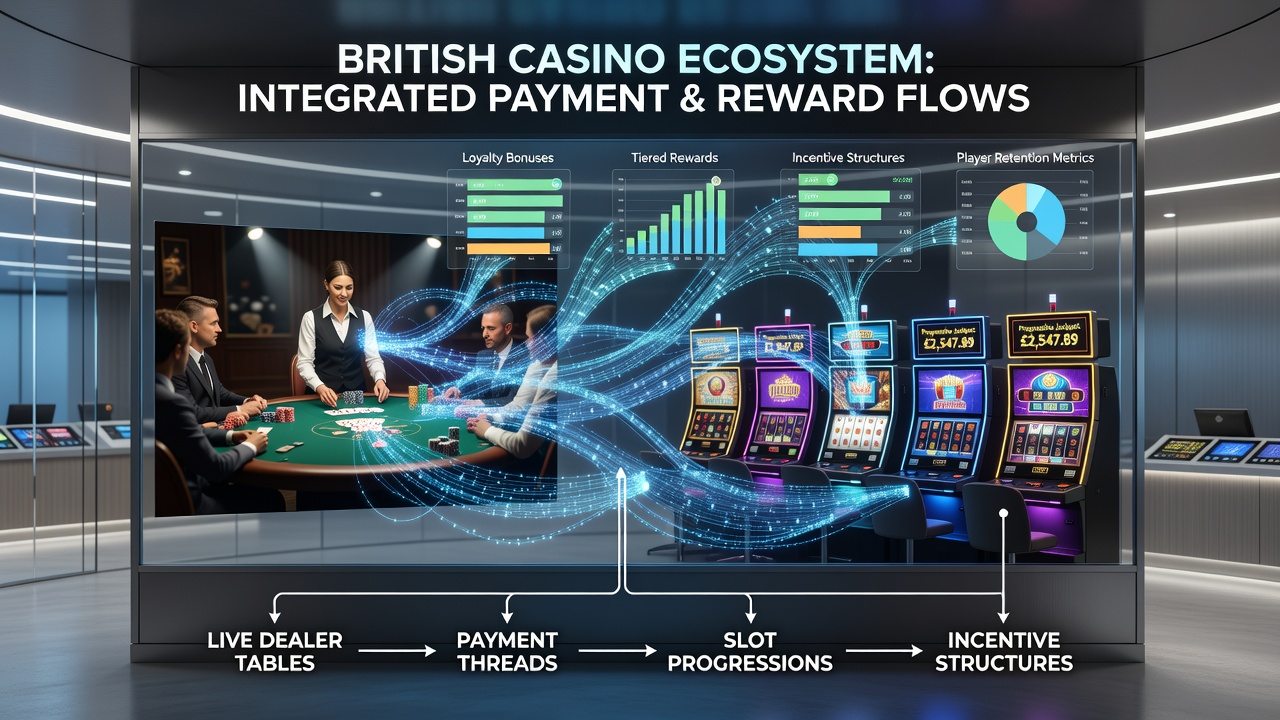
Payment methods like prepaid cards and mobile wallets further tighten these connections because they support instant balance updates that reflect in both live dealer interfaces and slot progression meters simultaneously. Experts have observed that this real-time synchronization prevents delays that once forced players to exit one format before entering another, and the result appears in streamlined incentive redemptions that carry over without manual intervention. Data from multiple platform reports confirms that such efficiencies became standard across British operators by mid-2026.
Technical Integration and Transaction Security
Secure payment threads employ encryption protocols that maintain continuity between live dealer tables and slot systems, ensuring that every deposit or withdrawal updates progression trackers without exposing sensitive details. Those who've examined platform architectures note that API connections between payment providers and game servers allow incentive structures to activate automatically when funds move across formats. Research indicates these integrations reduce processing times to under three seconds on average, which keeps live sessions and slot progressions aligned without noticeable breaks.
Additional safeguards include multi-factor authentication tied to the payment account itself, so players who verify once gain access to linked features across both live dealer tables and slot progressions. The reality is that regulatory frameworks in the UK require these threads to log all movements for audit purposes, creating transparent records that support fair incentive distribution. And while the technology continues to evolve, current implementations already handle high volumes of cross-format activity without compromising speed or accuracy.
Future Developments in Payment Connectivity
Emerging payment technologies, including blockchain-based transfers, show potential to deepen the links between live dealer tables and slot progressions by introducing verifiable ledgers that track incentive eligibility across extended periods. Observers note that pilots conducted in early 2026 demonstrated reduced reconciliation times when multiple game types share the same payment thread. Those monitoring the sector expect further refinements by late 2026, particularly as operators respond to player preferences for unified experiences.
Conclusion
Payment threads continue to serve as the structural backbone that unites live dealer tables with slot progressions and their associated incentive structures throughout British digital gaming. Evidence from transaction data and platform reports shows consistent patterns of integration that support fluid movement of funds and rewards. As systems advance, these connections are likely to expand while maintaining the security and transparency required in regulated environments.