The Connection Between Funding Methods and Bonus Utilization Patterns Among Players of Digital Slot Machines in British Online Casinos
Sam Peters · Jun 27, 2026
The Connection Between Funding Methods and Bonus Utilization Patterns Among Players of Digital Slot Machines in British Online Casinos
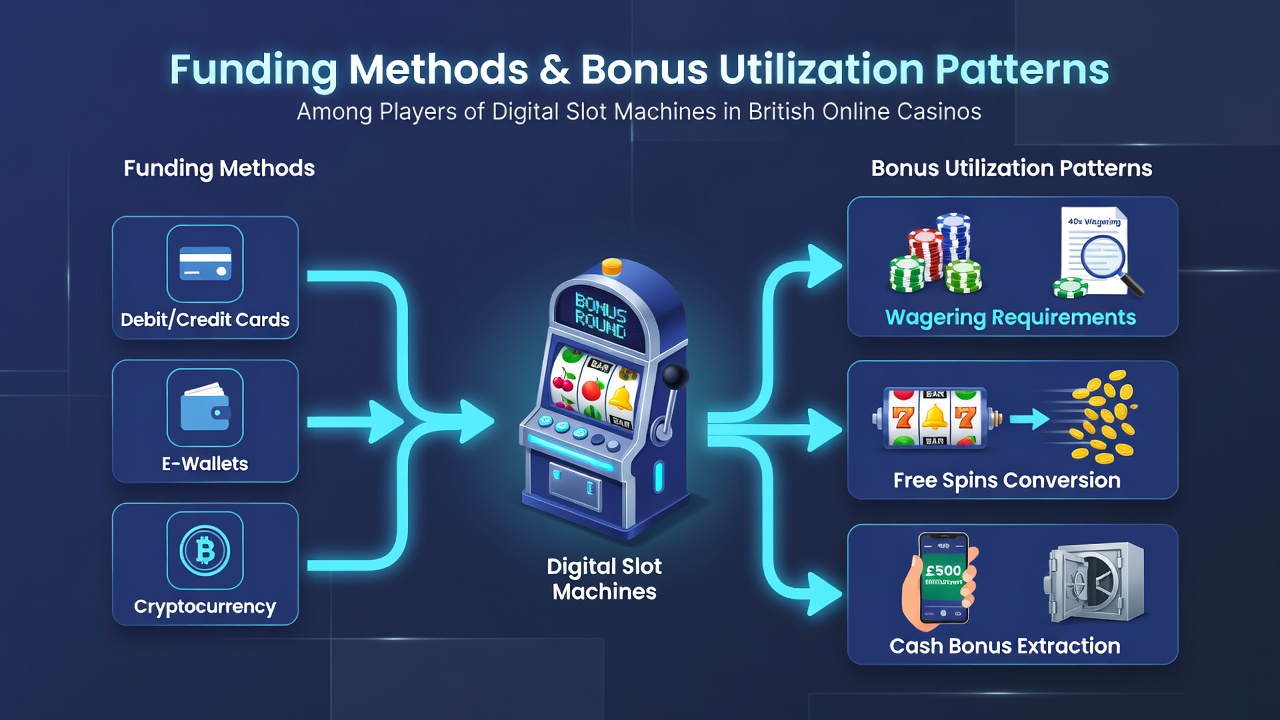
Payment methods used by players of digital slot machines in British online casinos shape how bonuses get claimed and redeemed, and data collected through transaction logs reveals distinct utilization patterns tied to each funding channel. Credit and debit cards remain the most common entry point for deposits, yet e-wallets and instant bank transfers show higher rates of bonus activation within teh first 24 hours of account funding. Researchers tracking activity across regulated platforms note that players who rely on prepaid vouchers often complete wagering requirements faster than those using traditional cards, largely because voucher deposits frequently pair with time-limited bonus offers that encourage immediate play.
Common Funding Channels and Their Reach
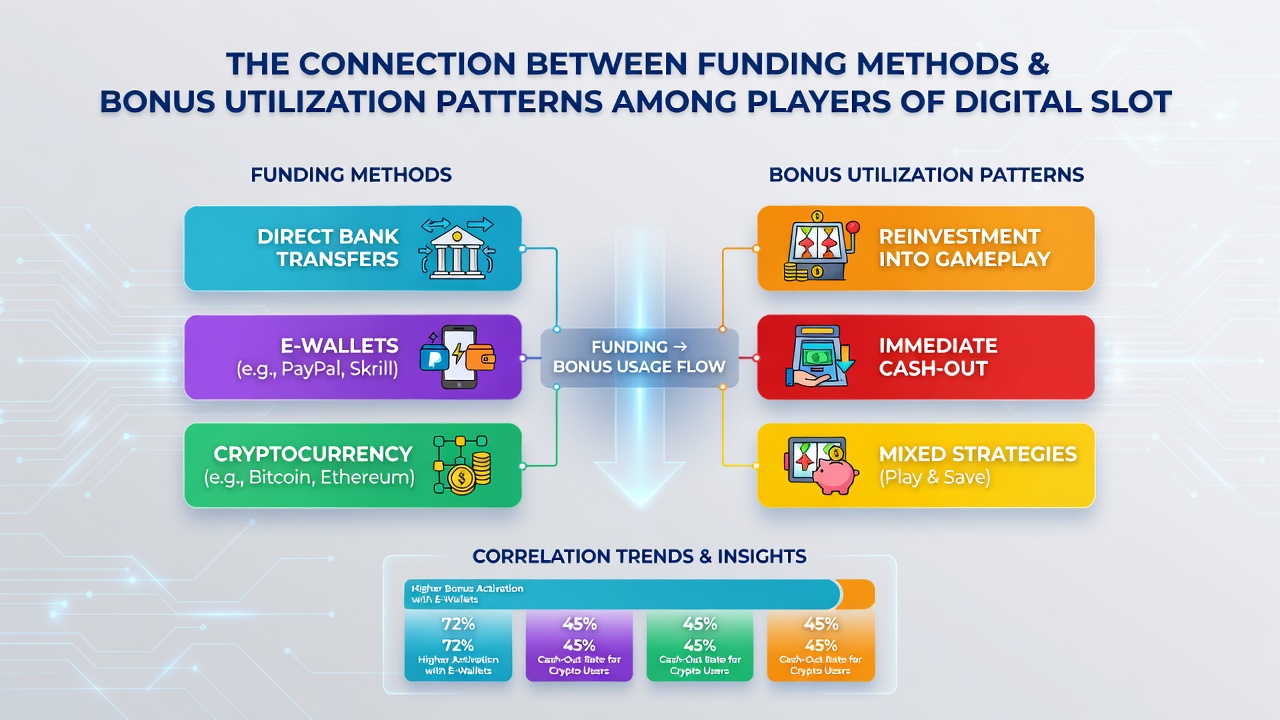
Digital slot players in Britain select from credit cards, debit cards, e-wallets such as Skrill and Neteller, direct bank transfers, and prepaid options including Paysafecard. Figures released in early 2026 indicate that debit card deposits account for roughly 45 percent of all slot-related transactions, while e-wallets handle approximately 30 percent. Bank transfers and prepaid methods split the remaining volume, and each category correlates with different bonus engagement levels. Players depositing via e-wallets trigger welcome bonuses at higher frequencies because these services often integrate directly with casino bonus portals, allowing one-click opt-ins during the deposit flow.
Bonus Structures Tied to Deposit Types
Deposit bonuses, free spin packages, and cashback rewards appear across platforms, yet their uptake varies by funding method. E-wallet users convert bonus spins into real-money play 18 percent more often than card users according to aggregated platform analytics shared at industry conferences in June 2026. Prepaid voucher players, meanwhile, demonstrate shorter sessions but higher per-session bonus redemption rates because many vouchers come bundled with fixed-value free spin credits that must be used within 48 hours. Card-funded accounts show steadier but slower bonus consumption, with many players spreading play across multiple days to meet playthrough thresholds.
Patterns Emerging from Transaction Data
Studies compiled by the Australian Gambling Research Centre highlight that funding speed influences bonus timing decisions, and British casino logs mirror those findings. Players using instant bank transfers complete bonus wagering within an average of 3.2 days, whereas credit card users average 5.7 days. The difference stems from verification delays and spending limits that sometimes interrupt card-funded sessions. Observers note that e-wallet deposits also correlate with higher multi-bonus stacking, where players layer welcome offers with ongoing reload promotions because the payment method allows repeated small deposits without additional fees.
Influences on Utilization Rates
Transaction fees, processing times, and bonus eligibility rules create measurable differences in how often players activate and complete bonus rounds. Prepaid methods carry no overdraft risk, which encourages players to commit entire deposited amounts plus bonus funds in single sessions. E-wallets facilitate micro-deposits that align with daily bonus reloads, leading to more frequent but smaller bonus claims throughout the month. Card transactions, by contrast, often involve higher minimum deposit thresholds that push players toward larger initial bonuses rather than repeated smaller ones. A 2025 analysis from the National Center for Responsible Gaming examined similar markets and found parallel patterns in bonus completion timelines based on payment velocity.
Regional Trends Observed Through Mid-2026
Throughout the first half of 2026, British platforms reported increased e-wallet adoption coinciding with new bonus campaigns that reward instant funding. These campaigns produced measurable spikes in bonus spin volume during evening hours when e-wallet users logged in after work. Card-funded play remained dominant on weekends, yet the proportion of bonus funds converted to cashouts stayed lower compared with e-wallet cohorts. Prepaid voucher usage held steady among players seeking strict spending caps, and those sessions showed the shortest average time from deposit to bonus exhaustion. Such patterns suggest that the mechanical properties of each payment method continue to steer how digital slot players approach and exhaust promotional offers.
Conclusion
Funding methods function as structural variables that shape bonus utilization timelines, redemption frequencies, and session lengths among British digital slot players. Transaction data collected through 2026 demonstrates consistent correlations between payment speed, fee structures, and the pace at which players move through bonus requirements. Platforms that align bonus terms with the characteristics of each funding channel record higher overall engagement across all player segments. Continued monitoring of these connections will clarify how regulatory adjustments and new payment technologies further influence patterns in the months ahead.