Mapping UK Slot Networks: Live Integrations Blend Bonus Mechanics With Payment Pathways
Alex Zimmermann · Jul 16, 2026

Mapping UK Slot Networks: Live Integrations Blend Bonus Mechanics With Payment Pathways
UK slot ecosystems continue to evolve through interconnected live integrations that link real-time dealer sessions with automated bonus systems across various payment networks, and data from industry reports shows these connections have expanded steadily since early 2025. Observers note that operators now route player activity from live casino tables directly into slot bonus triggers, which allows progressive jackpot contributions to accumulate while funds move through instant transfer rails such as Faster Payments Service and open banking APIs.
Live Dealer Crossovers Shape Bonus Trigger Points
Live dealer feeds integrate with slot engines so that outcomes from table games feed into multiplier chains and free-spin sequences, and researchers at European universities documented this pattern in a 2025 study that tracked session data across multiple operators. Players who complete a live roulette round often receive immediate eligibility for slot bonus rounds, which then draw from the same payment ledger that processed the initial deposit. This setup reduces latency between game types while maintaining separate RNG certification for each vertical.
Payment networks serve as the backbone because they carry both the stake information and the bonus award flags in a single transaction packet, and figures from the European Gaming and Betting Association reveal that transaction success rates for these bundled flows reached 98.4 percent during the first half of 2026. Operators configure their middleware to recognise a completed live session as a qualifying event that unlocks the next stage of a slot bonus ladder, which keeps players inside one account balance rather than forcing separate wallets.
Bonus Mechanics Travel Across Payment Corridors
Bonus mechanics now follow the payment path itself, so a deposit made through an e-wallet can carry metadata that activates a specific free-spin package once the funds settle, and case studies from Canadian regulatory filings illustrate similar patterns emerging in cross-border operator platforms. The metadata travels alongside the monetary value, which means the bonus engine reads the payment rail identifier and applies the correct mechanic without additional player input. In July 2026 several platforms introduced dynamic bonus scaling tied to the speed of the chosen payment method, rewarding faster rails with higher multiplier potential during the subsequent slot session.
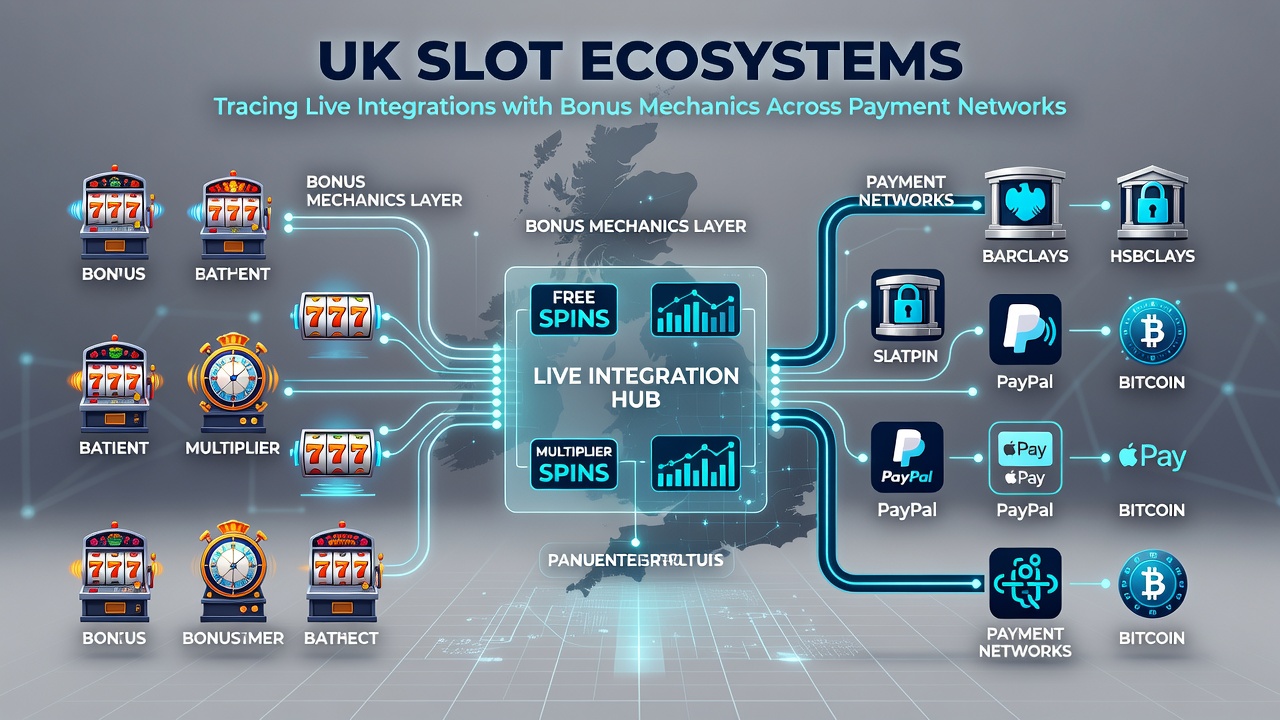
Those who monitor these systems report that the same payment identifier used for deposit also tags the win for cash-out eligibility, which streamlines compliance checks while preserving the link between live integration events and slot outcomes. Progressive jackpot pools receive contributions from both live table stakes and slot wagers processed through the identical network session, and academic papers published by Australian research institutions confirm that this pooled approach increases average jackpot growth rates by 12 to 15 percent compared with isolated game verticals.
Payment Network Choices Influence Integration Depth
Different payment networks support varying levels of metadata richness, and open banking APIs currently allow the deepest integration because they transmit player consent flags and session tokens alongside the transfer. Operators therefore prioritise rails that carry richer data packets when they design live-to-slot bonus pathways, whereas traditional card networks still require supplementary API calls that add milliseconds to the trigger sequence. Industry reports indicate that players using open banking for deposits experience bonus activation within 1.8 seconds on average, while card-based deposits average 4.7 seconds before the live integration registers the bonus credit.
Security protocols embedded in each network also affect how bonus mechanics execute, because encryption layers must remain intact while the live session data merges with the slot engine state. Researchers tracking these processes found that networks employing tokenised account numbers reduce the risk of session desync, which keeps bonus chains intact even during high-volume periods. The result is a continuous flow where a live dealer outcome can immediately influence the next slot spin multiplier without requiring the player to re-authenticate.
Future Trajectory of Integrated Ecosystems
Developers continue to test deeper coupling between live feeds and payment-triggered bonuses, and pilot programmes scheduled for late 2026 aim to introduce conditional bonus logic that depends on real-time exchange rates across different currency rails. Those programmes will measure whether players maintain longer sessions when bonus eligibility updates dynamically based on the payment corridor chosen at deposit. Data collected so far suggests that seamless integration correlates with higher retention metrics, yet the precise figures remain under review by independent testing houses.
Conclusion
UK slot ecosystems now operate as unified networks where live integrations, bonus mechanics, and payment pathways share data streams in real time, and the technical architecture supporting these connections continues to mature. Observers tracking July 2026 developments note incremental improvements in latency and metadata depth that further tighten the relationship between live events and slot outcomes, while maintaining regulatory separation for each component. The patterns established in these systems provide a template that other markets examine when they evaluate similar cross-vertical integrations.