Charting Encryption Protocols That Secure Bonus Redemptions Across Britain's Progressive Mobile Platforms
Elena Griffin · Jun 25, 2026
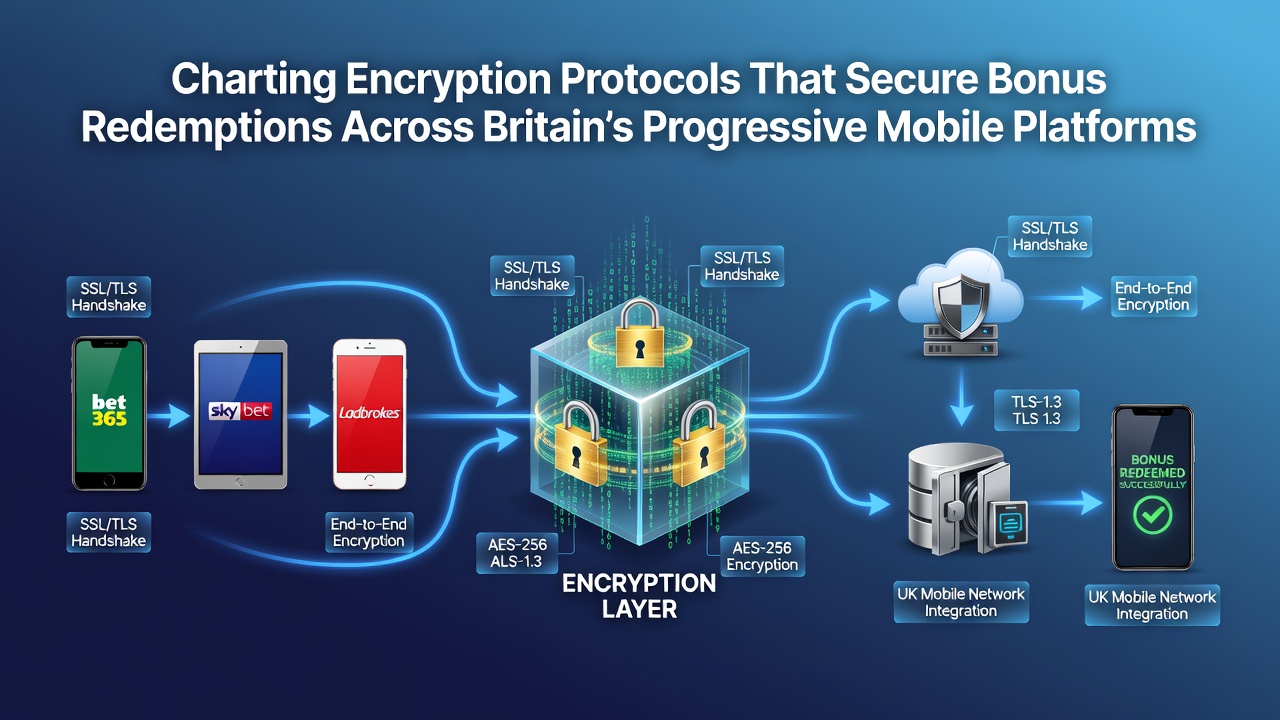
Charting Encryption Protocols That Secure Bonus Redemptions Across Britain's Progressive Mobile Platforms
Data transmission in Britain's mobile gambling sector relies on layered encryption standards that protect bonus redemptions from interception, and these measures integrate with progressive jackpot systems to maintain transaction integrity across devices. Observers note that protocols such as Transport Layer Security version 1.3 combined with Advanced Encryption Standard 256-bit keys handle both data in transit and at rest, while mobile applications route bonus claims through authenticated channels that verify user eligibility before processing payouts.
Core Encryption Standards in Mobile Environments
Research from the National Institute of Standards and Technology outlines how AES-256 serves as the baseline for encrypting stored bonus data on servers, and this approach pairs with elliptic curve cryptography for key exchanges during mobile sessions. Platforms deploy these methods to shield progressive bonus structures, where accumulated rewards trigger redemptions only after cryptographic validation confirms no tampering has occurred. Developers implement certificate pinning within apps to prevent man-in-the-middle attacks, and this technique ensures that communications stay confined to approved endpoints throughout the redemption workflow.
What's interesting here involves the shift toward post-quantum algorithms in testing phases, and as of June 2026 several British operators have begun pilot integrations of lattice-based cryptography alongside existing frameworks. These updates address emerging computational threats without disrupting current bonus processing flows, while maintaining compatibility with legacy mobile operating systems.
Application in Progressive Bonus Redemption Flows
Bonus redemptions on progressive mobile platforms follow sequences where user requests first undergo tokenization, then encryption wraps the payload before transmission to central servers. This process incorporates hash-based message authentication codes to verify integrity at each step, and operators log these events in immutable records that support audit trails. European Union Agency for Cybersecurity guidelines emphasize multi-factor authentication layered atop encryption, which adds another barrier against unauthorized access to redemption queues.
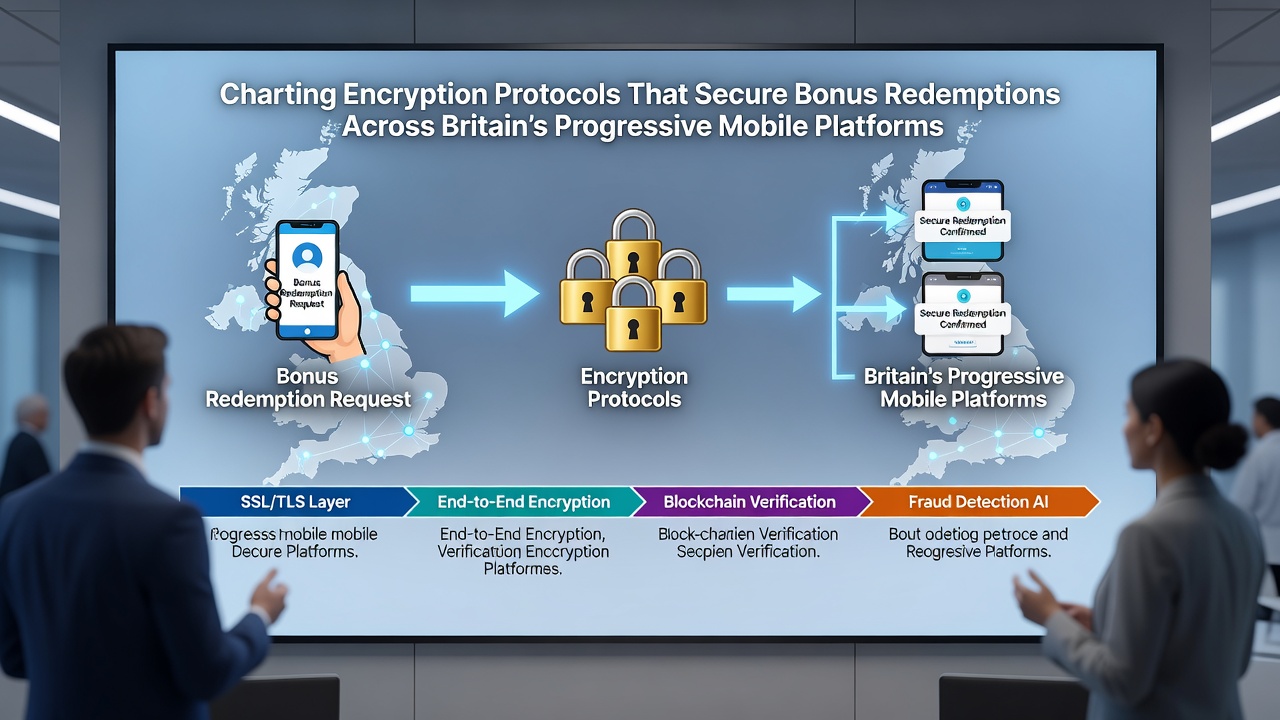
One case study from academic analyses shows how TLS handshakes establish session keys that rotate every few minutes during active play, and this rotation limits exposure windows if any single key becomes compromised. Progressive features, which link multiple user contributions into shared prize pools, depend on these secure channels to aggregate data without revealing individual bonus positions until redemption completes.
Regulatory Alignment and Technical Implementation
Industry reports indicate that British platforms align encryption practices with international benchmarks from bodies like ENISA, focusing on end-to-end protection for mobile transactions. Developers configure content delivery networks to enforce HTTPS everywhere, and they incorporate hardware security modules for storing master keys that decrypt bonus ledgers on demand. These setups handle high-volume redemptions during peak periods, where concurrent sessions demand efficient cryptographic operations without latency spikes.
Researchers discovered through penetration testing exercises that weak random number generators once posed risks to session tokens, yet current implementations draw from cryptographically secure sources that feed into protocol stacks. This evolution supports seamless integration with live progressive elements, allowing bonus cascades to unfold while encrypted verification runs in parallel.
Emerging Challenges and Protocol Adaptations
Mobile platforms encounter device fragmentation that affects encryption performance, and developers respond by optimizing libraries for both iOS and Android environments. Side-channel attacks targeting power consumption patterns during key operations have prompted adoption of constant-time algorithms, which obscure timing variations that could otherwise leak sensitive redemption details. Data shows these adaptations reduce vulnerability surfaces while preserving the speed required for real-time jackpot updates.
Observers note continued experimentation with zero-knowledge proofs in bonus verification, where proofs confirm eligibility without exposing underlying account data. Such techniques build on established encryption foundations and appear in select pilot programs across European markets, extending lessons learned from British implementations.
Conclusion
Encryption protocols form the backbone that secures bonus redemptions on Britain's progressive mobile platforms, and ongoing refinements address both current threats and future computational shifts. Integration of standards from sources like NIST and ENISA supports consistent protection across diverse applications, while adaptations in June 2026 reflect broader industry movement toward resilient systems. These measures ensure that progressive features operate within safeguarded environments, maintaining transaction reliability as platforms evolve.