British Regulatory Timelines and Their Quiet Influence on Mobile Payment Flows Within Progressive Slot Ecosystems
Elena Schmidt · Jun 18, 2026
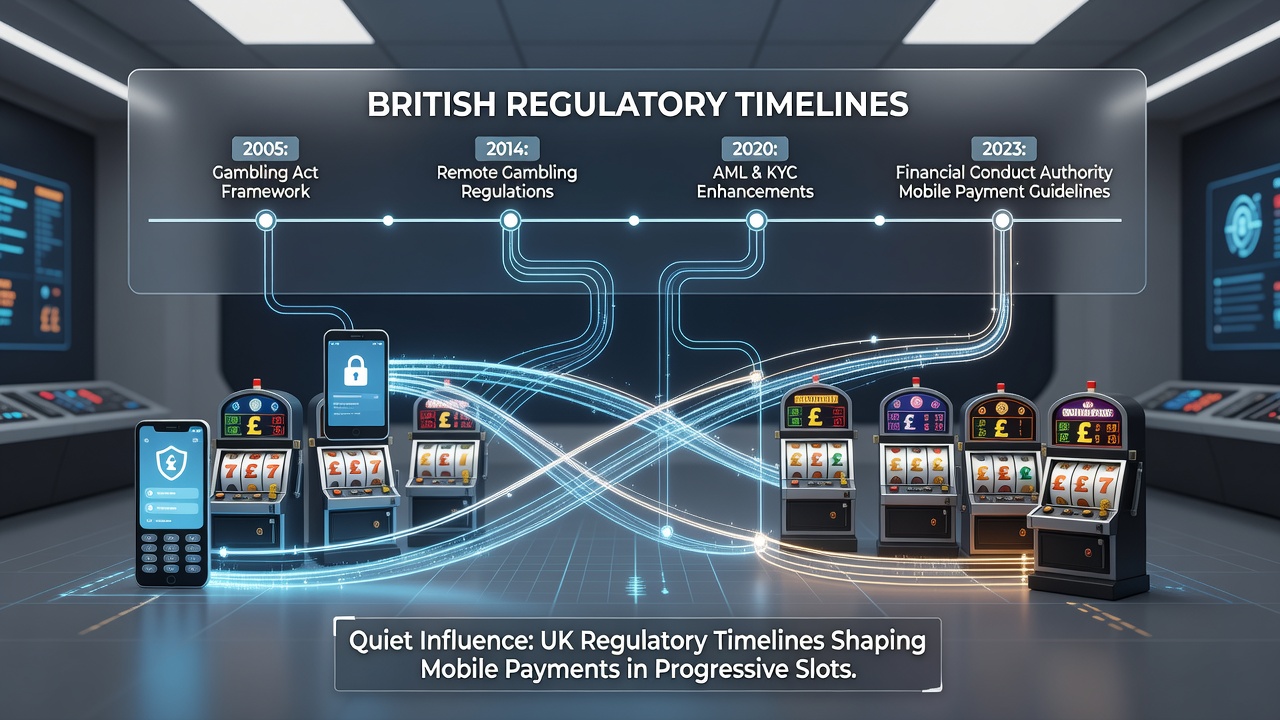
British Regulatory Timelines and Their Quiet Influence on Mobile Payment Flows Within Progressive Slot Ecosystems
British regulatory timelines have shaped mobile payment infrastructures in progressive slot ecosystems through successive policy adjustments that began in the early 2000s and continued into the mid-2020s. These frameworks established licensing requirements, tax structures, and verification standards that operators integrated into their systems over defined periods, creating measurable effects on transaction speeds and routing for deposits and withdrawals tied to jackpot pools. teh Gambling Act of 2005 introduced foundational licensing categories that required operators to align payment processing with remote gambling standards by 2007, which prompted early adoption of segregated account protocols that later supported real-time transfers in mobile environments. Subsequent updates in 2014 imposed point-of-consumption taxation, leading providers to restructure settlement timelines so that funds moved through approved channels within specific windows that aligned with progressive jackpot contribution calculations. Observers note that these shifts encouraged integration of faster payment rails to maintain compliance while handling the incremental contributions that build across networked slot titles. Data from industry reports shows that between 2017 and 2020, enhanced consumer protection measures required age and identity checks at the payment gateway level, which extended initial onboarding sequences but reduced later friction once profiles were verified. Mobile platforms adapted by embedding these checks into app flows, allowing subsequent deposits to clear within seconds rather than minutes. This timeline coincided with the rollout of open banking standards that permitted direct bank linkages, altering how players funded accounts connected to progressive prize mechanics.Payment Processing Adjustments Across Key Periods
By 2021, remote gambling frameworks had incorporated stricter rules on payment method approvals, which narrowed the list of accepted processors and directed traffic toward those maintaining audit trails compatible with jackpot reporting cycles. Operators adjusted their systems during this window to route mobile transactions through fewer intermediaries, resulting in shorter authorization chains that benefited high-volume progressive environments where multiple small contributions accumulate rapidly. Research indicates that these changes produced measurable reductions in average processing intervals for withdrawals tied to prize wins exceeding defined thresholds.
European directives on payment services, particularly updates to the Payment Services Directive framework, intersected with British timelines around 2022 and prompted further standardization of instant transfer capabilities. Platforms incorporated these elements to support seamless movement of funds into and out of accounts used for slot play, especially where progressive jackpots required synchronized contribution reporting across multiple jurisdictions. A Bank for International Settlements analysis highlights how such alignments influenced settlement finality in digital gaming contexts during that period.
Mobile Integration and Progressive Jackpot Mechanics
Mobile ecosystems adapted to these regulatory sequences by prioritizing APIs that connected directly with approved banking rails, enabling players to trigger spins while contributions flowed into shared prize pools without intermediate delays. Timelines around 2023 introduced requirements for transaction monitoring that operators embedded into mobile interfaces, allowing real-time flagging of patterns that might affect jackpot eligibility. Those adaptations maintained continuous contribution streams even as verification layers operated in the background.
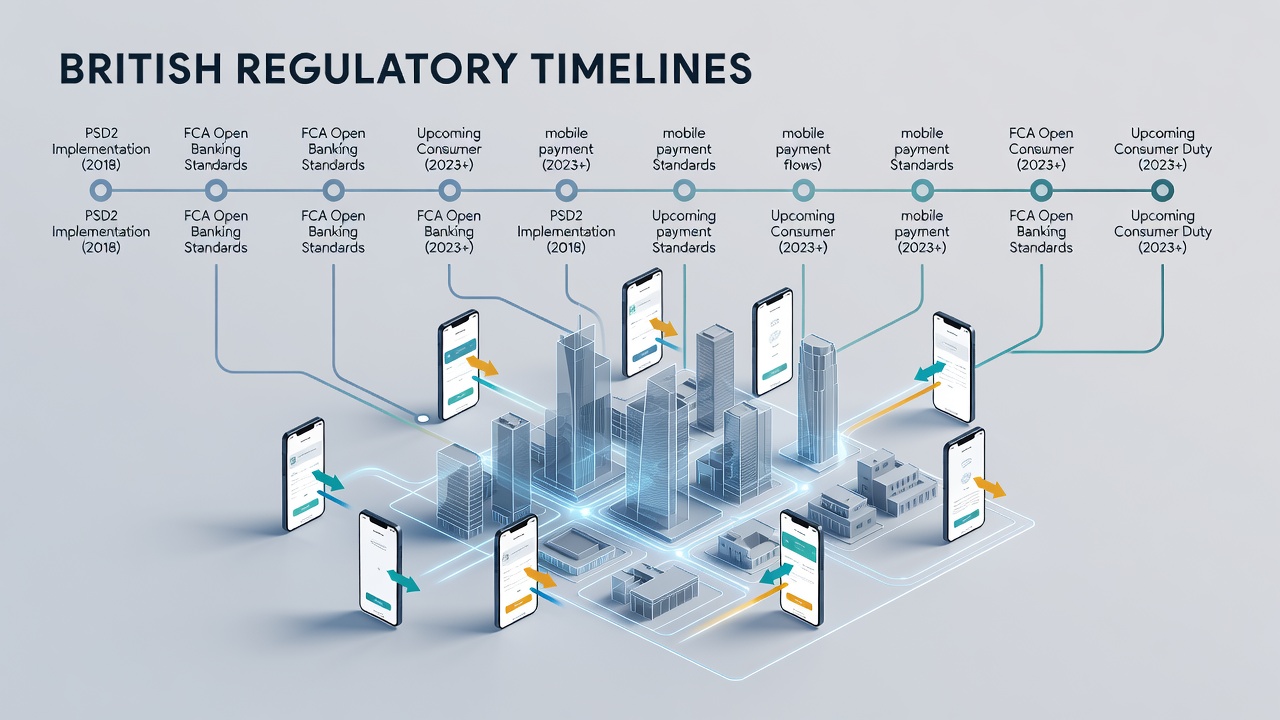
What's interesting here is how cumulative regulatory milestones from 2005 onward created layered infrastructures that now support the high-frequency micro-transactions typical in progressive slot networks. Platforms that aligned their payment flows with each successive deadline experienced fewer interruptions when jackpot triggers occurred, since contribution ledgers remained synchronized with verified account activity. Figures from payment network studies reveal that jurisdictions following similar phased implementations recorded higher volumes of completed mobile sessions ending in prize distributions by mid-decade.
Developments Through Mid-2026
As of June 2026, ongoing refinements to digital identity standards continue to build on earlier timelines, further streamlining repeated access to payment channels within mobile slot applications. These adjustments reduce redundant checks after initial setup, which supports sustained engagement with progressive titles where players make frequent small deposits to chase accumulating prizes. Industry organizations tracking these patterns report that payment completion rates in compliant mobile environments have stabilized at elevated levels compared with pre-2020 baselines.
Additional guidance on cross-border payment transparency, drawn from international financial oversight bodies, has encouraged operators to maintain parallel ledgers that reconcile British requirements with broader settlement norms. This practice ensures that jackpot contributions originating from mobile sessions remain traceable through each regulatory layer without extending processing windows. A report from the Responsible Gambling Council documents similar patterns in other regulated markets where timeline-driven compliance produced consistent transaction reliability.
Conclusion
British regulatory timelines established sequential benchmarks that payment providers and slot operators incorporated into mobile infrastructures, resulting in payment flows that accommodate the continuous contribution requirements of progressive jackpot systems. These developments unfolded through defined periods from 2005 through 2026, each phase introducing standards that shaped transaction routing, verification speed, and reporting alignment. The cumulative effect appears in the operational patterns observed across mobile ecosystems where deposits and withdrawals support ongoing prize pool growth under established compliance frameworks.