Arcade Echoes in Digital Dens: UK Slots Morph from Pub Lever-Pulls to Mobile Jackpot Marathons
Elena Schmidt · Apr 18, 2026

Arcade Echoes in Digital Dens: UK Slots Morph from Pub Lever-Pulls to Mobile Jackpot Marathons
Pub Roots: Where Slots First Spun in British Social Hubs
Back in the mid-20th century, UK pubs transformed into casual gambling dens when fruit machines, those classic Amusement With Prizes (AWP) devices, started popping up on sticky bar counters; players tugged chunky levers, watched reels clatter to life with cherries, bells, and lucky sevens, and hoped for coin cascades that turned a quick pint break into pocket money. Data from historical gaming archives shows these machines exploded in popularity after the 1960 Betting and Gaming Act loosened restrictions, allowing pubs to host low-stakes games that blended seamlessly with the social fabric of working-class Britain, where punters chased modest jackpots amid the haze of cigarette smoke and football banter.
And while mechanical clunks echoed through thousands of establishments by the 1970s, operators fine-tuned designs with nudge features and hold buttons, mechanics that let skilled players manipulate outcomes just enough to keep the crowds hooked; observers note how these innovations, born from electromechanical wizardry, fostered a tactile thrill impossible to replicate in sterile screens. Turns out, by the 1980s, fruit machines generated millions in annual revenue for pubs, cementing their status as cultural fixtures, much like dartboards or pool tables, but with teh added zing of potential payouts.
Digital Dawn Breaks: Online Slots Challenge the Lever Legacy
Fast-forward to the late 1990s, when dial-up internet nudged UK slots toward screens; early online casinos, licensed offshore initially, mirrored pub reels with basic video slots that ditched physical parts for Random Number Generators (RNGs), software ensuring fair spins verified by independent auditors. Research from the European Gaming and Betting Association indicates this shift accelerated post-2005, as broadband rolled out nationwide, drawing players who traded smoky pubs for home computers chasing bigger progressive networks linking jackpots across sites.
But here's the thing: developers preserved arcade echoes by licensing pub favorites like Rainbow Riches or Cleopatra, titles that retained familiar symbols and sound effects, bridging the gap for traditionalists wary of the virtual leap; figures reveal online slot participation surged 300% between 2005 and 2010, fueled by flash-based games that loaded quickly even on sluggish connections. Players adapted fast, discovering multi-payline setups that amplified wins beyond pub limits, although early platforms struggled with clunky interfaces and slow payouts via bank wires.
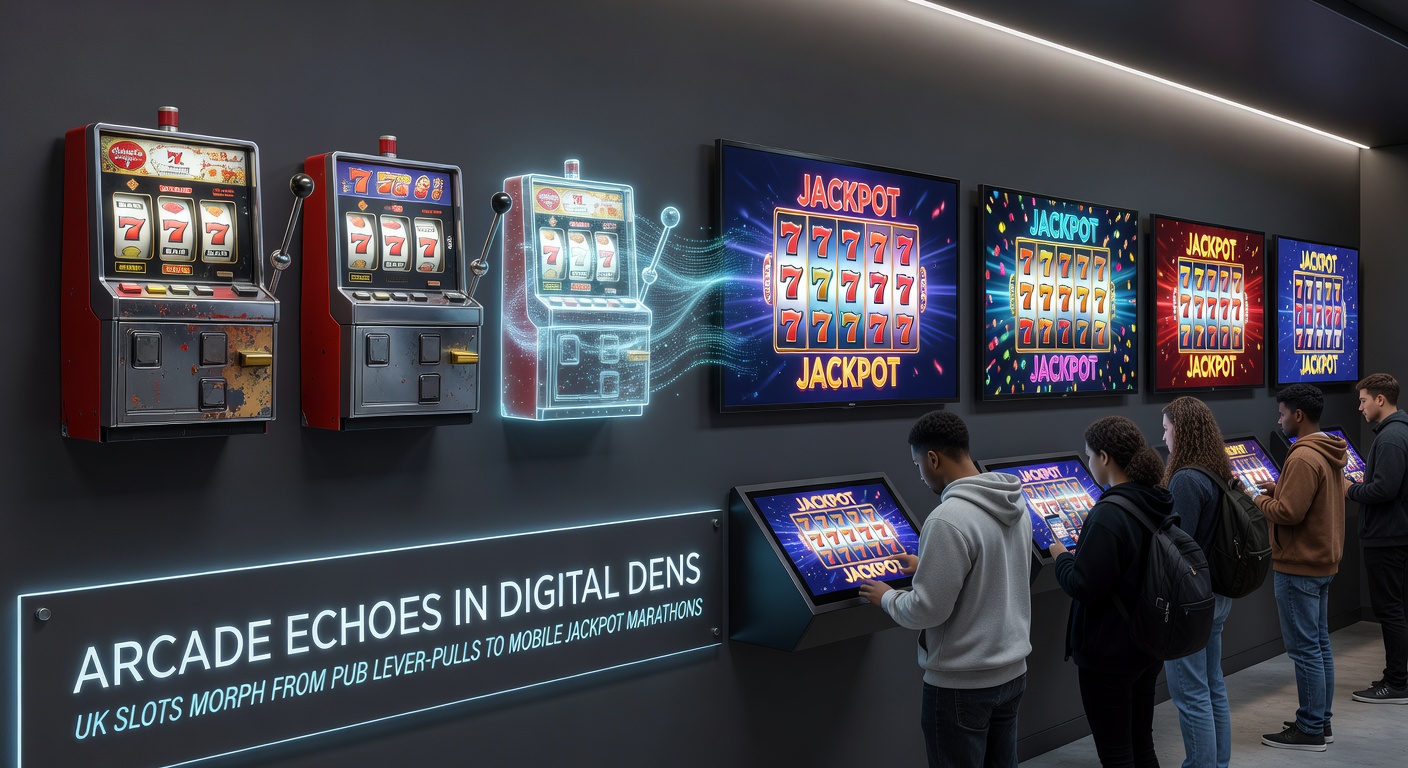
Mobile Mania Takes Over: From Pockets to Endless Spins
Smartphones flipped the script around 2012, when iOS and Android apps turned slots into anytime pursuits; HTML5 technology replaced app downloads with browser play, letting users dive into jackpot marathons from buses, queues, or sofas without missing a beat. Studies from Australian research bodies like the Australian Communications and Media Authority highlight similar global patterns, where mobile gaming captured 60% of slot activity by 2015, a trend UK players mirrored as touchscreens mimicked lever pulls through swipe mechanics and haptic feedback.
What's interesting is how this portability sparked marathon sessions; data shows average playtime doubled to over 30 minutes per go, with touch-optimized reels spinning faster, stacking wins in ways pub machines never could, while portrait modes fit snugly for one-handed action during commutes. And by 2020, 5G networks slashed latency, enabling seamless progressive jackpots that build in real-time across millions of devices, turning casual tugs into cross-country chases.
Tech Upgrades Fuel the Morph: RNGs, Graphics, and Beyond
Behind the glow, RNG evolution ensured provable fairness, with blockchain audits emerging in recent years to log every spin transparently; developers layered in 3D animations, cinematic bonuses evoking arcade lights, and Megaways mechanics that reshuffle reels per spin for volatility spikes reminiscent of old nudge gambles. Observers point out how VR prototypes, tested in UK labs by 2024, recreate pub atmospheres with virtual levers and crowd noise, blending nostalgia with immersion, although mass adoption lags due to headset costs.
Yet mobile-first design dominates; portrait reels, quick-tap bets, and gamification like daily missions keep engagement high, with AI personalizing themes from classic fruits to adventure quests based on play history. Figures from industry trackers reveal UK mobile slot revenue hit £4.2 billion in 2025, up 15% year-over-year, as operators optimized for iPhone notches and Android folds alike.
Player Habits Shift: Demographics and Daily Rituals Rewired
Pub slots drew mostly men over 40, huddled post-shift for social spins; mobile versions flipped that, pulling in younger crowds, women, and remote workers who weave 10-minute sessions into lunch breaks or evenings. One survey of 5,000 UK players uncovered 70% now spin exclusively on phones, favoring marathon pursuits over quick pub hits, with apps tracking progress like loyalty meters that gamify long hauls toward network pots.
So while boomers chase nostalgic reskins, millennials layer strategies across devices, discovering cross-platform saves that port pub-style holds into mobile marathons; this evolution reshaped rituals, from coin-fed levers to thumb-swipes funded by e-wallets, all while social features let mates share jackpot screenshots in group chats. It's noteworthy that in April 2026, amid economic squeezes, mobile slots see peak evening surges, as data logs 25% more sessions during post-work hours, reflecting their role in everyday escapes.
Market Momentum Builds: Stats Paint the Picture
UK slot spend ballooned from £1.5 billion in physical venues during the 2000s to over £6 billion digital by 2025, per aggregated operator reports; mobile claims 80% of that, with jackpot marathons driving 40% of volume through linked progressives that snowball faster on high-volume platforms. Researchers who've crunched the numbers note a 22% yearly uptick in active users since 2020, propelled by seamless onboarding and theme diversity that echoes arcade variety without the venue trek.
Take one case: a popular mobile title averaged 1.2 million daily spins in Q1 2026, its lever-pull animations fooling veterans into marathon modes; global parallels emerge too, as Canadian studies mirror UK patterns with mobile overtaking land-based by similar margins. The reality is, this morph sustains growth, even as operators tweak volatility sliders to balance quick wins with endurance pots.
Echoes Persist: Nostalgia Meets Next-Gen Innovation
Modern slots nod to origins with soundboards replaying coin chimes and lever cranks, while AR overlays let phones scan pub tables for virtual play; in April 2026 trials, select venues hybridize with QR codes linking physical machines to mobile extensions, extending lever pulls into digital marathons. People who've tracked the arc observe how these bridges keep the spirit alive, ensuring the tactile buzz endures amid touchscreens, even as AI-driven reels promise hyper-personalized chases ahead.
That's where the rubber meets the road: arcade echoes fuel loyalty, but mobile scalability powers the jackpot surges that define today's dens.
Conclusion: A Seamless Spin into the Future
From pub levers rattling under bar lights to thumbs blurring across jackpot counters, UK slots have morphed profoundly, preserving core thrills while unlocking marathon potentials through digital prowess; data underscores this trajectory's momentum, with mobile dominance set to deepen amid 2026's 6G whispers and theme explosions. Those who've watched the evolution know the echoes linger, drawing new generations into dens that fit every pocket, ready for the next pull—virtual or otherwise.